
Reviewed · DEATH VALLEY TOURS
Las Vegas: Death Valley Day Trip with Stargazing
Death Valley is at its best when you give it a full day. This 11-hour small-group trip from Las Vegas covers the park’s big sights in daylight, then stays out for sunset and stars. You see salt flats, badlands, dunes, and mineral-colored hills without trying to cram the park into a rushed half-day outing.
I especially like the mix of iconic viewpoints and easy walks, plus the guide’s help with photos. The itinerary also gives you a rare chance to see Death Valley after dark, when the desert changes from a place of harsh sunlight to a broad, quiet sky. The main drawback is the long day and the fixed schedule. If you want complete silence, or dislike frequent stops for posed photos, this may feel too structured.
In This Review
- Key points to know before booking
- Why this Death Valley trip is different
- The drive from Las Vegas to the desert
- Dante’s View gives you the grand opening
- Zabriskie Point puts the color in the foreground
- Mesquite Flat Sand Dunes are your soft-sand stop
- Furnace Creek is the day’s practical pause
- Badwater Basin shows Death Valley at its lowest
- Artist’s Palette supplies the strongest color change
- Devils Golf Course adds rough texture
- Sunset gives the long day a second act
- Stargazing near Death Valley Junction
- The return to Las Vegas
- Is $299 a fair price?
- Who should book this experience?
- Should you book this Death Valley day trip?
- FAQ
- How long is the Death Valley tour from Las Vegas?
- Where does pickup take place?
- What language is the tour offered in?
- What is included in the price?
- Does the tour include stargazing?
- Can I see the Milky Way?
- What should I bring?
- Is the experience suitable for everyone?
Key points to know before booking
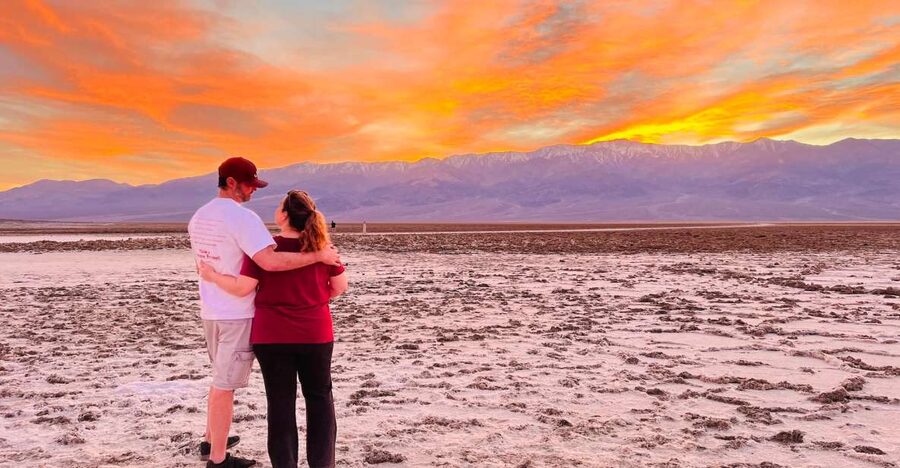
- Day-to-night format: See Death Valley in bright desert light, then return for sunset and stargazing.
- Major park highlights: Dante’s View, Zabriskie Point, Badwater Basin, Artist’s Palette, Devils Golf Course, and Mesquite Flat Sand Dunes are built into the day.
- Photography help: Your guide takes professional-style photos and can explain long-exposure night photography.
- Simple transport: Hotel pickup and drop-off along the Las Vegas Strip, entrance fees, water, and a sandwich are included.
- Small-group feel: Private or small-group arrangements are available, which matters during a long day in a van.
- Important limitation: The tour is not suitable for children under five, wheelchair users, or people with mobility impairments.
Why this Death Valley trip is different
Many Death Valley outings from Las Vegas turn around before the desert cools off. This one keeps going. You begin with the park’s famous daytime sights and finish with a sunset and a night-sky stop near Death Valley Junction.
That format gives you more range. At midday, you notice the scale and color of the park. Later, the low sun brings out shadows in the mountains. After dark, the same empty spaces become useful for spotting constellations, planets, and, on clear nights, the Milky Way.
You should think of this as a sightseeing and photography day rather than a wilderness hike. The walks are short, but the heat, sun, and uneven surfaces can still make them tiring. Comfortable shoes, sunscreen, a hat, a charged phone, and weather-appropriate clothing are sensible choices.
Pickup is offered along the Las Vegas Strip, from Mandalay Bay to The STRAT. If you are staying off-Strip or along the route toward Death Valley, you can provide your address and ask for a pickup. The exact meeting point and time are confirmed one day before departure.
More Death Valley trips:
- Best of Death Valley Small Group Day Tour from Las Vegas
★ 5.0 · 644 reviews - Death Valley Sunset and Stargazing Tour from Las Vegas
★ 5.0 · 536 reviews - From Las Vegas: Death Valley Guided Day Tour
★ 4.9 · 392 reviews
The drive from Las Vegas to the desert
The first van ride takes about two hours. That is a serious stretch of road, so the comfort of the vehicle and the size of your group matter. A small group gives you more room than a large coach and makes it easier to hear the guide.
The opening stop is the Death Valley Welcome Sign. It is a quick photo stop, but it gives you the classic arrival picture and marks the change from Las Vegas to open desert. You will not spend long here, so have your phone or camera ready.
The guide speaks English, Spanish, or Italian, depending on availability. Named guides Jay and Alex have led some departures, but you should confirm the language and guide details before you commit to the trip. One important practical point: an Italian-speaking guide was not available for one departure despite the request, so language preferences should be confirmed early rather than assumed.
Dante’s View gives you the grand opening
Dante’s View is one of the best stops for understanding Death Valley’s scale. From the high viewpoint, you look across the basin and toward the broad mountain ranges. It is a strong first major stop because it shows the park as a giant geological bowl rather than a collection of separate sights.
You get about 30 minutes here for a guided visit and photographs. That is enough for the viewpoint, but not for lingering at length. The air can also feel different at elevation than down in the valley, so carry a layer even on a warm day.
This is a scenic stop, not a long hike. If your main goal is to walk for hours, the day will feel light on trail time. If you want to see a great deal without wearing yourself out on a serious trek, the short format works well.
Zabriskie Point puts the color in the foreground
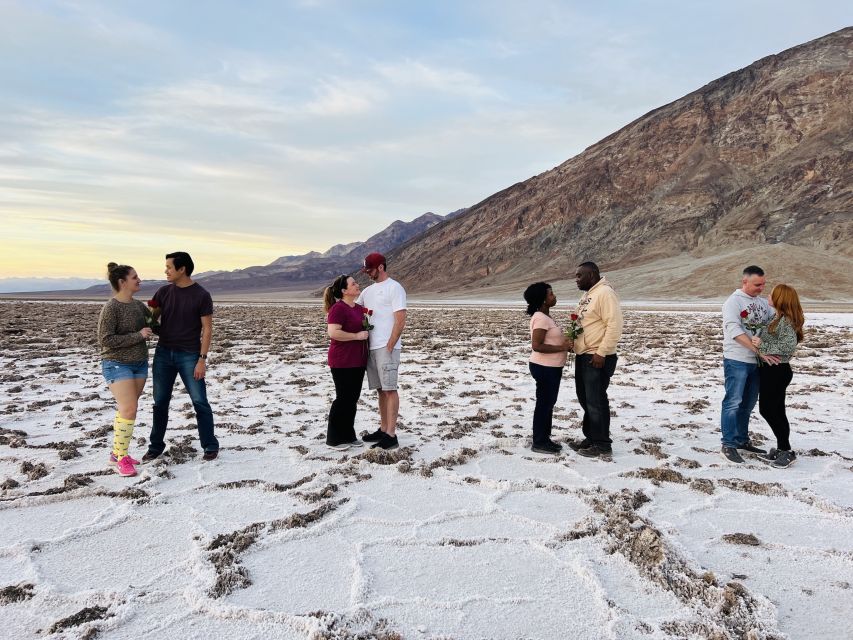
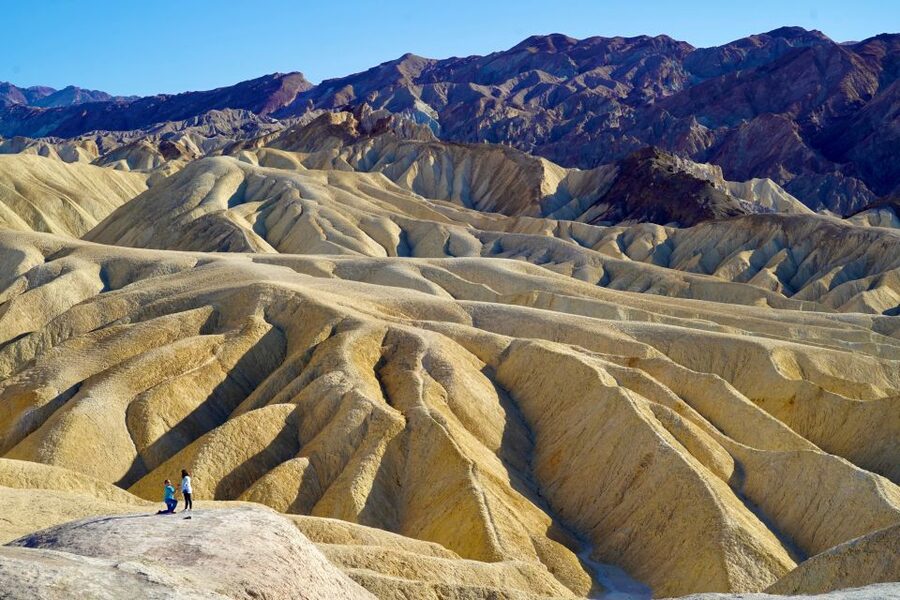
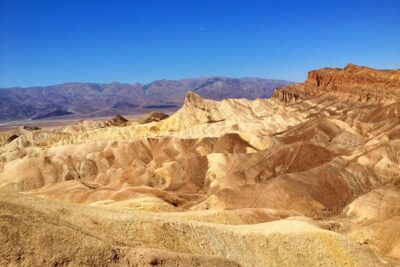
Zabriskie Point is one of Death Valley’s most recognizable views. Golden folds and eroded ridges spread across the foreground, with larger mountains beyond. The shapes are especially striking when angled sunlight creates stronger shadows in the gullies.
The stop lasts around 30 minutes and includes a short walk. Wear shoes with a firm sole, since the route is not simply a van-side photo stop. Your guide can help with camera angles and group pictures, which is useful if you are traveling without someone to take your photo.
The photography service is a real part of the tour, not just a casual offer to snap one picture. Jay, one of the guides named in departure feedback, received specific praise for his photo work. Still, tell the guide if you do not want posed portraits. One couple found repeated requests to pose uncomfortable, while other people clearly enjoyed the photo-focused approach.
A few more Las Vegas days worth comparing
- From Las Vegas: Grand Canyon South Rim Day Trip
★ 4.3 · 2,147 reviews - Antelope Canyon and Horseshoe Bend Day Trip from Las Vegas
★ 4.5 · 783 reviews - From Las Vegas: VIP Los Angeles/Hollywood Day Trip
★ 4.7 · 665 reviews - Small-Group Hollywood and Los Angeles Day Trip from Las Vegas
★ 4.0 · 313 reviews
Mesquite Flat Sand Dunes are your soft-sand stop
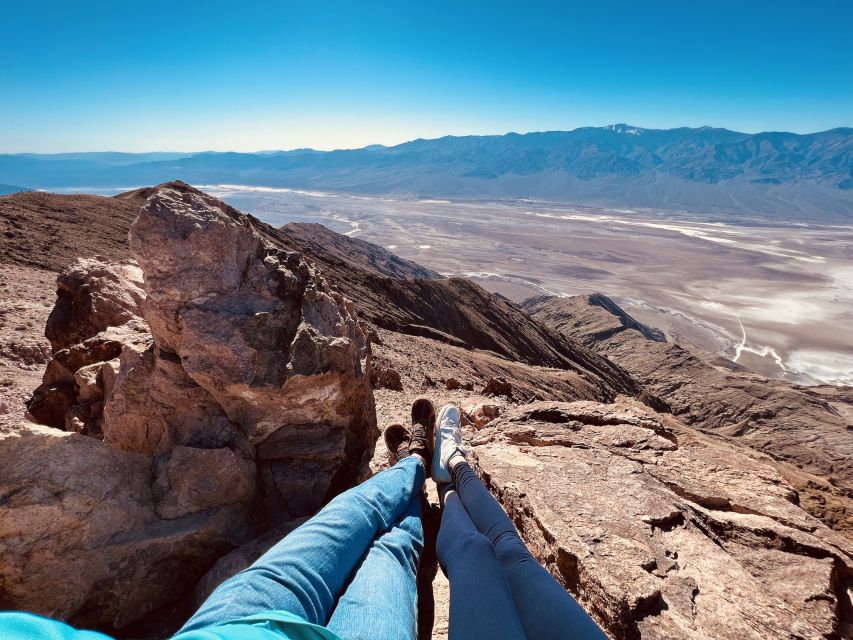
At the Mesquite Flat Sand Dunes, you can walk onto open sand and make your own short route. There is no single dramatic viewpoint here. The appeal comes from the clean lines, low ridges, and wide views, especially as the light begins to soften.
A 30-minute stop gives you time to climb a little and take photographs without turning the outing into a strenuous hike. Sand is harder work than it looks, though. If you have mobility concerns, this may be one of the more demanding stops of the day.
The dunes are also one of the better places for silhouettes. Keep an eye on the time, since the group must return to the van and continue toward Furnace Creek. You are getting a taste of the dunes, not an afternoon expedition.
Furnace Creek is the day’s practical pause
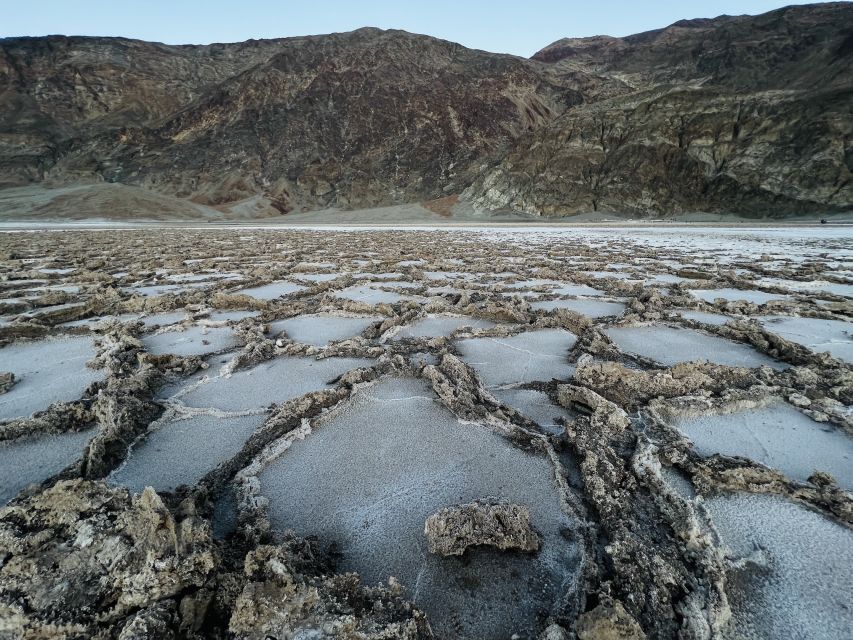
Furnace Creek serves as the central break in the schedule. You have about 45 minutes for dinner, free time, and a restroom stop. Museum-style exhibits provide useful context about Death Valley, giving the day a little more meaning than a string of photo stops.
A sandwich and water are included. The information does not specify a full restaurant meal, so plan around the provided sandwich rather than expecting a large dinner. You are also advised to bring cash, which is useful for personal purchases.
This pause matters because the schedule is long. You have already spent hours on the road and visited several exposed places. Use the restrooms, refill your water if possible, and take a few quiet minutes before the evening portion begins.
Badwater Basin shows Death Valley at its lowest
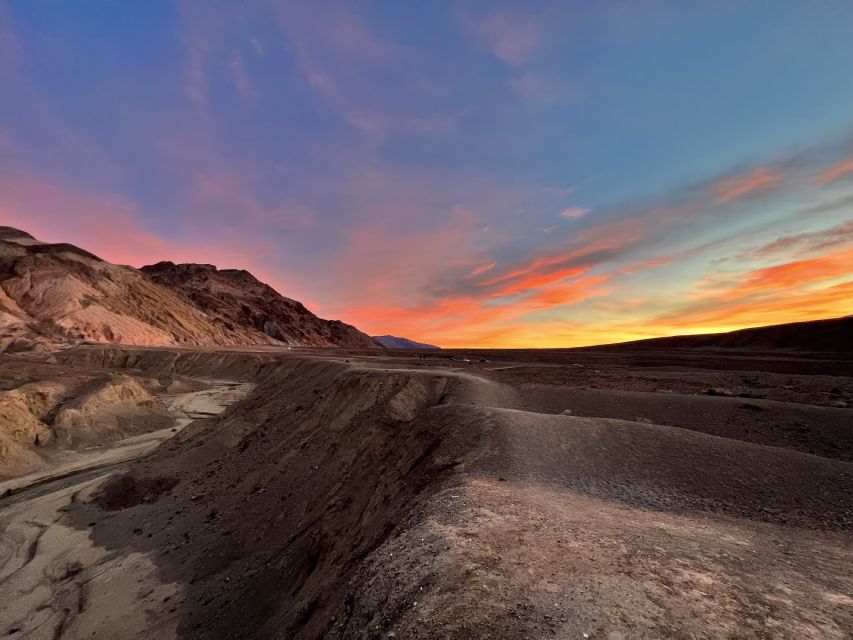
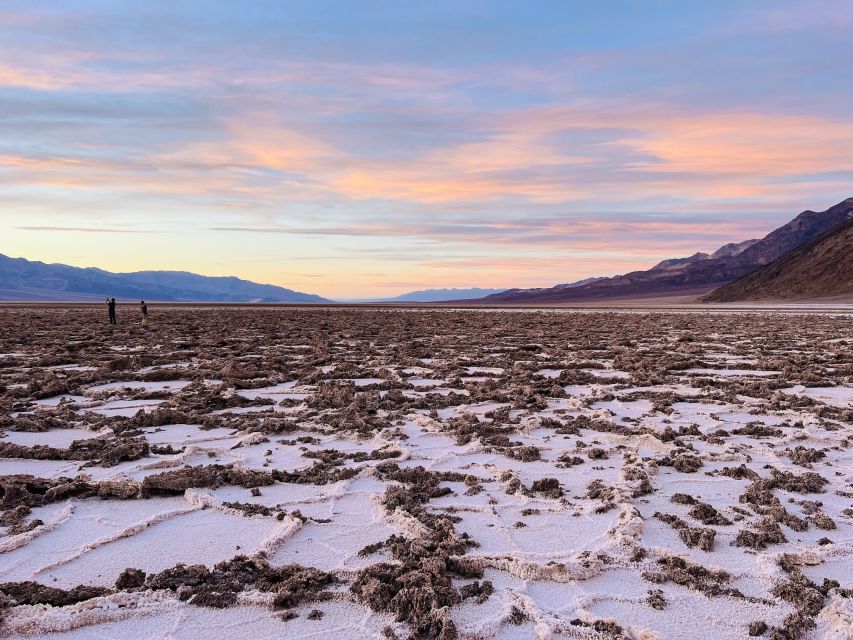
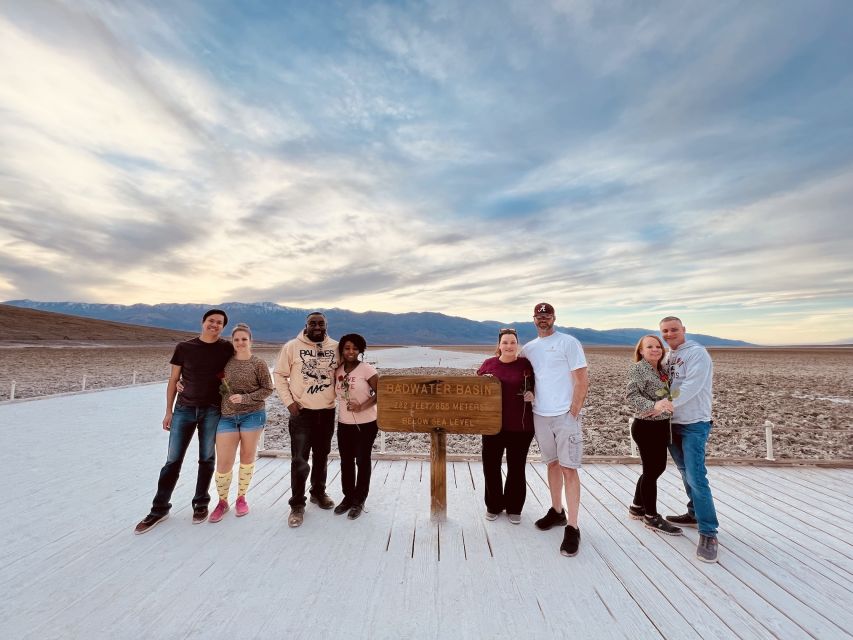
Badwater Basin is the park’s famous salt-flat stop and the lowest point in North America. You walk out onto the broad white basin, where salt-crystal patterns form irregular shapes across the ground.
The walk lasts about 30 minutes. That is enough to get onto the flats and see the formations up close, though conditions can affect how far you go. The ground may look smooth from a distance, but salt crust can be rough and uneven underfoot.
This is one of the places where water, sunscreen, and a hat are not optional luxuries. The open basin offers little shade. You should also protect your phone, since bright white salt can make screens and photographs difficult to manage in full sun.
Badwater is less about dramatic color than about scale and contrast. The white basin, dark mountains, and empty horizon make the stop feel unlike the golden badlands at Zabriskie Point.
Artist’s Palette supplies the strongest color change
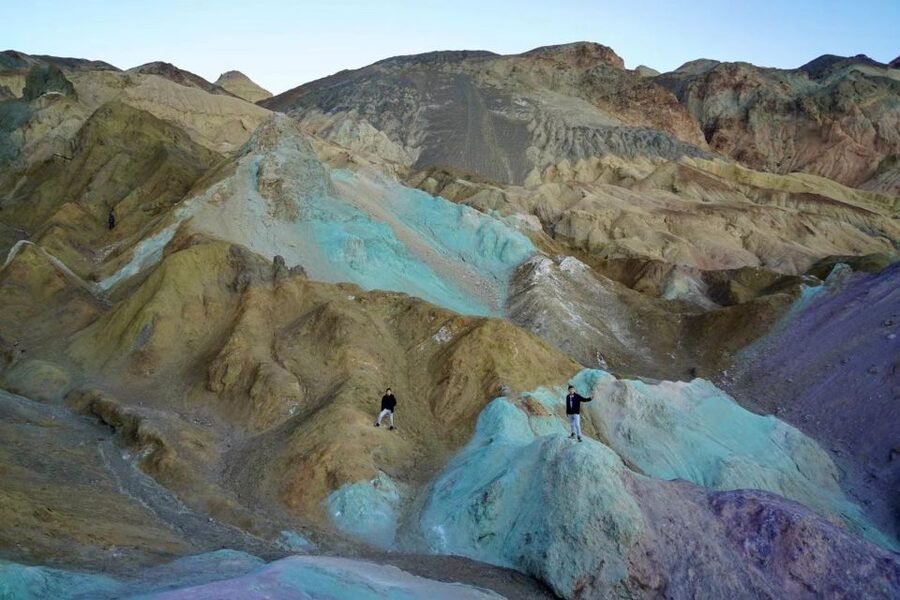
Artist’s Palette is reached along Artist Drive, a scenic road known for mineral-rich hills in pink, green, and purple shades. The colors can look muted from one angle and surprisingly strong from another, so this is a good place to let the guide point out the best viewing areas.
You get roughly 30 minutes for the stop, including a guided visit and a short walk. It is a compact stop, but it adds variety after the pale salt of Badwater and the gold of Zabriskie Point.
Road conditions and park operations can affect access, so the precise route may change. The supplied schedule includes Artist’s Palette as a central sight, but nature and park conditions always have the final word in Death Valley.
Devils Golf Course adds rough texture
Devils Golf Course is a short photo stop among jagged salt formations. The ground looks heavily broken and sharp, a striking contrast to the smoother basin nearby.
This stop is mainly about viewing and photography rather than a long walk. Stay close to the safe area and watch your footing. The formations are not a place for casual wandering in sandals.
I like that this stop is included because it rounds out the geology. You see the park’s salt in several forms: broad flats at Badwater and rough, raised crust at Devils Golf Course.
Sunset gives the long day a second act
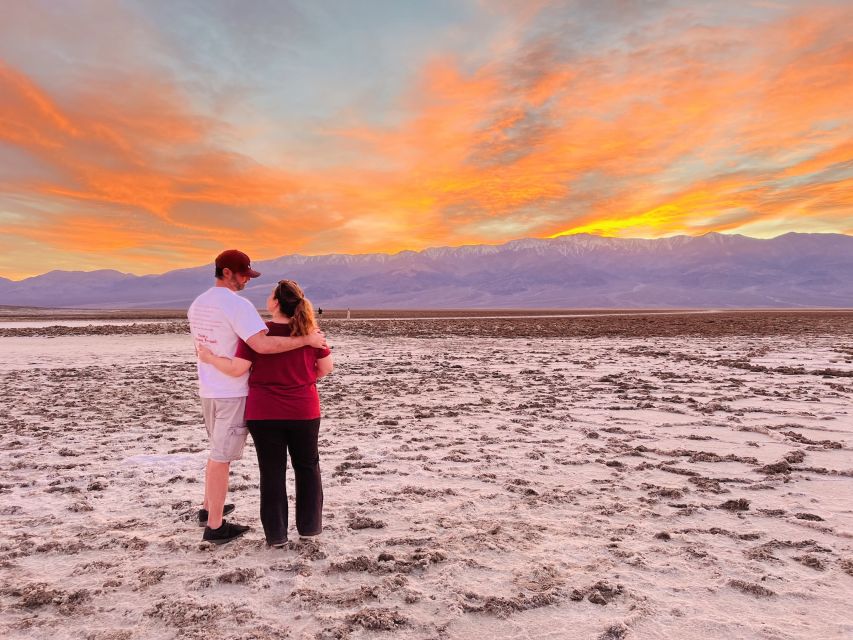
After the main sights and dinner, the guide takes you to a remote viewpoint for sunset over the mountains. The schedule allows about 45 minutes for the sunset portion, which should provide enough time to settle in rather than take one hurried picture and leave.
Sunset is not guaranteed to look the same each day. Clouds can block the view, and weather can change the mood of the desert quickly. One departure had poor conditions that limited both the scenery and the later stargazing. That is not a flaw unique to the tour, but it is a reminder that this part depends on nature.
The guide’s photography support is useful here. You can ask for scenic photos, silhouettes, or help framing the mountains. If you prefer to watch without a camera pointed at you, say so clearly before the stop begins.
Stargazing near Death Valley Junction
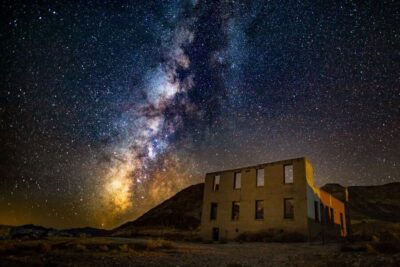
Once darkness arrives, the group continues to a quiet desert location near Death Valley Junction. The purpose is simple: get away from bright city lights and look upward. On a clear night, you may see constellations, planets, and the Milky Way.
Your guide helps you enjoy the sky safely and offers tips for long-exposure photographs. A charged smartphone is useful, but serious night-sky pictures usually require more than a phone. The tour provides guidance, not a guarantee of perfect camera results.
Cloud cover can change everything. The guide may explain that stars will be limited if the sky is cloudy, and you should accept that stargazing is weather dependent. The full-moon setting described by one departure still produced a memorable night with stars and even distant coyote calls, but you should not book this expecting the same conditions every time.
The night portion is the most distinctive part of the day. If you have already seen Death Valley in daylight, the stars give you a reason to return. If you dislike staying out late, it may instead feel like a tiring add-on.
The return to Las Vegas
The return drive takes about two hours, followed by a restroom stop in Pahrump. You are dropped at your original pickup point in Las Vegas.
Expect to be tired. From hotel pickup to final drop-off, this is a full day with long stretches in the van and several stops in sun and sand. The schedule is carefully packed, but it is not leisurely in the sense of spending hours at one place.
The upside is efficiency. You cover a wide section of Death Valley without arranging a rental car, paying park admission separately, or navigating after dark. The downside is that you have limited control over how long you stay at each stop.
Is $299 a fair price?
At $299 per person, this is expensive compared with driving yourself. The value comes from what is bundled: hotel pickup and drop-off, Death Valley entrance, a sandwich, water, a guide, photography help, sunset viewing, and a night-sky stop.
A self-drive visit can give you more freedom and may cost less if you are sharing a car. It also puts the work on you. You must handle the long drive from Las Vegas, fuel, navigation, park access, meal planning, and the return trip after dark.
For a first visit, the price is easier to justify if you want the major sights in one day and do not want to drive. It is less appealing if you already know the park, prefer long hikes, or want to stop whenever a view catches your eye.
The private or small-group option can improve the value for couples, families with suitable ages, or friends who want a more personal day. Ask what group size applies to your departure before booking.
Who should book this experience?
I would choose this tour if you want a first taste of Death Valley with the logistics handled for you. It suits photographers, first-time visitors, and people who want a broad sample of the park rather than one long trail.
It is also a strong choice if stargazing matters to you. Most day trips lose the night sky, while this one builds the evening into the plan.
I would hesitate if you need wheelchair access, have limited mobility, are traveling with a child under five, or dislike long van rides. I would also think twice if you want quiet above all else. The guide is expected to explain the park and help with photos, and one departure was criticized for too much talking and too much pressure to pose.
Book at least with an open mind about the weather. The best parts of the trip, especially sunset and the Milky Way, cannot be promised. Free cancellation up to 24 hours before departure and reserve-now-pay-later booking make it easier to keep plans flexible.
Should you book this Death Valley day trip?
Book it if you want the park’s major sights, a supplied lunch, hotel transport, guide photography, sunset, and stargazing in one long outing. The route is broad and well chosen, and the night-sky finish gives it more character than a standard sightseeing run.
Skip it if you want a private schedule, serious hiking, or complete control over your time. At $299, you are paying for convenience, coverage, and the guide’s camera help. For the right person, that is a fair trade. For an independent driver, it may not be.
FAQ
How long is the Death Valley tour from Las Vegas?
The experience lasts about 11 hours, including hotel pickup, the Death Valley visit, the evening stargazing stop, and the return to Las Vegas.
Where does pickup take place?
Complimentary pickup and drop-off are offered along the Las Vegas Strip, from Mandalay Bay to The STRAT. Off-Strip pickup may be possible if your address is reasonably along the route to Death Valley.
What language is the tour offered in?
Live guiding is available in English, Spanish, and Italian, depending on guide availability. Confirm your preferred language before departure.
What is included in the price?
Hotel pickup and drop-off, Death Valley entrance, a sandwich, and water are included.
Does the tour include stargazing?
Yes. After the daytime sightseeing and sunset, the group travels to a quiet desert location near Death Valley Junction for stargazing.
Can I see the Milky Way?
You may see the Milky Way on a clear night. Clouds, moon conditions, and weather can affect what is visible.
What should I bring?
Bring comfortable shoes, sunscreen, cash, weather-appropriate clothing, a charged smartphone, and a sun hat.
Is the experience suitable for everyone?
It is not suitable for children under five, wheelchair users, or people with mobility impairments. The day also includes long van rides, short walks, exposed salt flats, and soft sand.
New on the Las Vegas list
- Latin Nightclub Tour by Party Bus w/ Fast-Pass Entry★ 3.5 · 3 reviews
- Death Valley an Mojave Desert VIP Small Group Tour Las Vegas★ 4.5 · 3 reviews
- Las Vegas: Guided Off-Road UTV Driving Adventure★ 5.0 · 3 reviews
- Las Vegas Mexican Salsa Cooking Experience with Celebrity Chef★ 5.0 · 3 reviews
- UTV Valley Of Fire Exploration Full Day Tour★ 5.0 · 3 reviews
- Combo Tour: Valley of Fire & Hoover Dam Full-Day Tour★ 5.0 · 3 reviews
- Grand Canyon West, Hoover Dam Photo Stop and Optional Skywalk★ 5.0 · 3 reviews
- Los Angeles, Hollywood, Santa Monica Tour from Las Vegas★ 3.5 · 3 reviews
Death Valley Tours, compared.
Best of Death Valley Small Group Day Tour from Las Vegas
Read our review →
Death Valley Sunset and Stargazing Tour from Las Vegas
Read our review →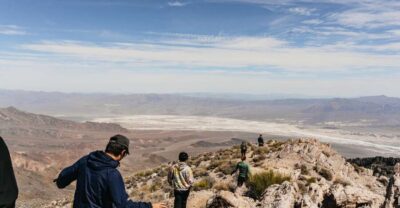
Small-Group Death Valley National Park Day Tour from Las Vegas
Read our review →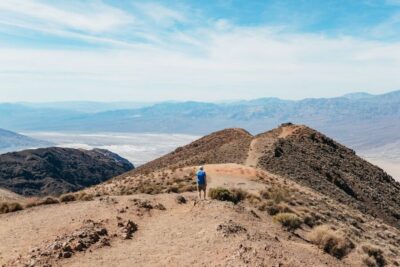
Death Valley NP Full-Day Small Groups Tour from Las Vegas
Read our review →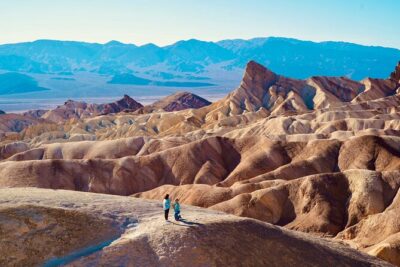
Death Valley Day & Night Tour – Scenic Stops, Sunset & Stargazing
Read our review →
Browse the lists this tour appears in